 Surya Prarap Singh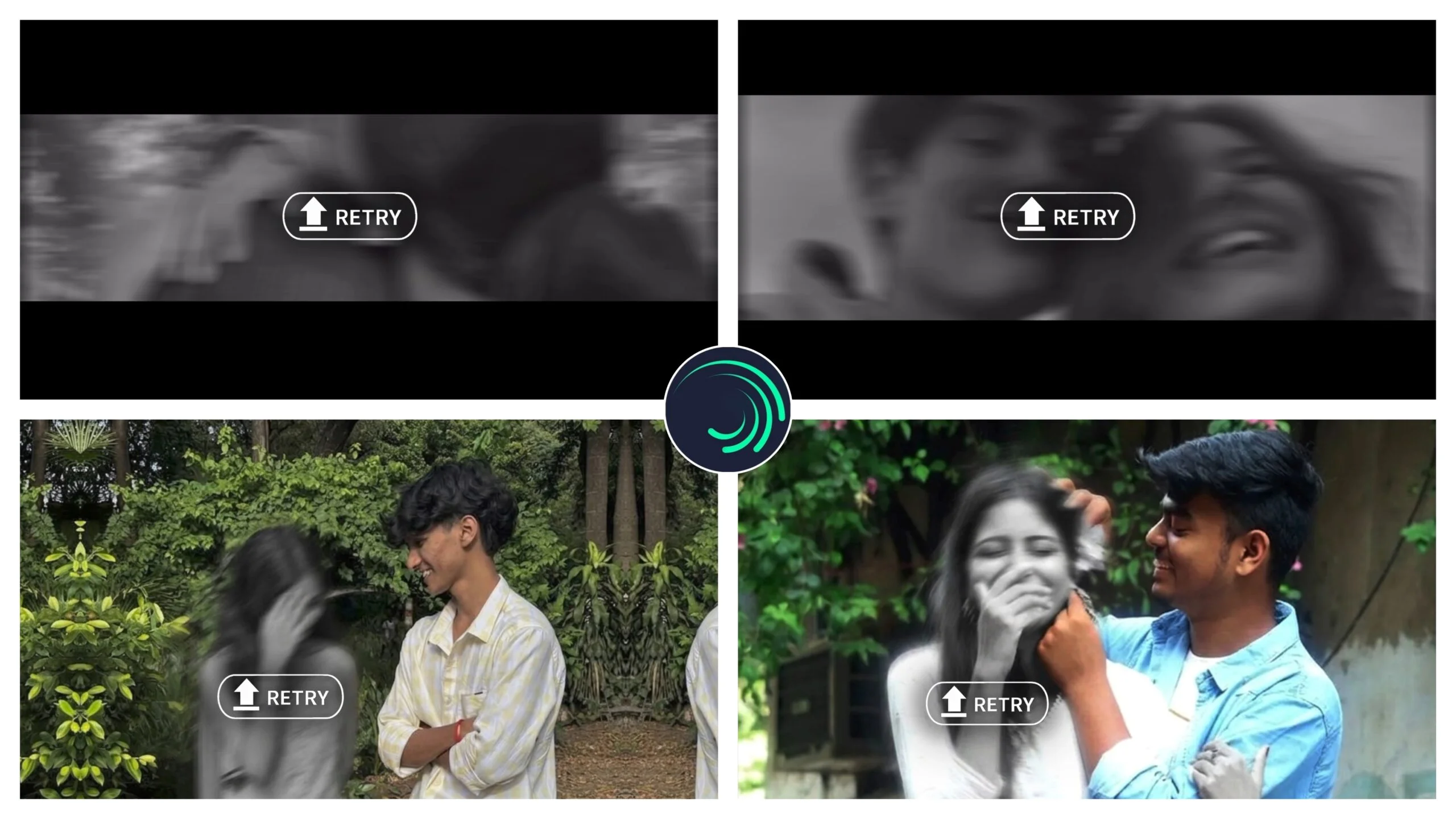
If you have scrolled through Instagram Reels or YouTube Shorts lately, you have probably noticed a wave of couple videos that look like they belong in a film festival, not a phone gallery. Soft golden light, slow-motion glances, a swelling background score, and a story that unfolds frame by frame — this is what people now call “cinematic love editing.” It has quietly become one of the biggest video editing trends of the year, and creators, couples, and even wedding videographers are rushing to learn it.
In this blog, we will break down what cinematic love editing actually is, why it has exploded in popularity, the tools people use to create it, and simple tips you can apply today to give your own footage that dreamy, film-like feel.
What Is Cinematic Love Editing?
At its core, cinematic love editing is a style of video editing that borrows techniques from movies — color grading, shallow depth of field, deliberate pacing, and emotional music syncing — and applies them to real, everyday footage of couples. Instead of a raw clip of two people laughing at a café, the edited version feels like a scene from a romance film: warm tones, a gentle zoom, maybe a freeze-frame at just the right emotional beat.
The goal is not just to record a moment but to frame it, the way a director would. That shift from documentation to storytelling is exactly why this trend resonates so strongly with viewers.
Why This Trend Is Exploding Right Now
A few forces are feeding this trend at the same time.
First, smartphone cameras have become genuinely cinematic. Many phones now shoot in high resolution with strong low-light performance, which means anyone can capture footage that looks professional without owning a proper camera.
Second, editing apps have become dramatically more accessible. What used to require expensive software and technical training can now be done in a mobile app in under an hour. Presets, LUTs (color grading filters), and transition packs are one tap away.
Third, social platforms reward emotion. Algorithms tend to push content that keeps people watching, and nothing holds attention like a well-paced love story with the right music cue. A 15-second cinematic couple reel can outperform a plain vlog clip many times over because it triggers a stronger emotional response.
Finally, there is a cultural shift toward romanticizing everyday life. People want their relationships, anniversaries, and proposals to feel significant, and cinematic editing gives ordinary moments a sense of scale and meaning.
The Core Ingredients of a Cinematic Love Edit
If you look closely at the most viral love-editing reels, you will notice they almost always share a few building blocks.
1. Color Grading Warm, slightly desaturated tones dominate this style — think golden hour orange mixed with deep teal shadows. This combination, often called the “orange and teal” look, is a Hollywood staple because it makes skin tones pop while keeping backgrounds moody.
2. Slow Motion at the Right Moments Not the whole video — just the emotional peak. A hand reaching out, a laugh, a spin. Slowing down only the key second or two makes it feel intentional rather than gimmicky.
3. Music That Builds Most viral edits are cut precisely to the rise and drop of a song. Editors often choose a track with a quiet, intimate opening and a bigger emotional swell, then time the visuals so the biggest reveal — a kiss, a ring, a hug — lands exactly on the musical climax.
4. Text Overlays and Voiceovers A short line of text or a whispered voiceover often appears near the beginning, setting up the “story” before the visuals play out. This narrative framing is what separates a movie-style edit from a simple highlight reel.
5. Transitions That Feel Invisible Good cinematic editors avoid flashy transitions. Instead, they use match cuts, subtle zooms, or light leaks so one scene flows into the next without calling attention to the edit itself.
Tools People Are Using
Several apps have become go-to choices for this trend. Mobile editors like CapCut and VN are popular because they offer built-in cinematic presets, speed ramping, and easy keyframing for zooms and pans. For those wanting more control, desktop tools such as Adobe Premiere Pro and DaVinci Resolve allow deeper color grading and precise audio syncing. Many creators also rely on preset packs — pre-made color grades and transition templates — to speed up the process without sacrificing quality.
How to Try It Yourself: A Simple Starting Framework
You do not need professional gear to experiment with this style. Here is a beginner-friendly approach:
- Shoot with intention. Before you even open an editing app, capture a few establishing shots (wide scenery), a few close-ups (hands, faces, small details), and one or two “hero moments” you know you want to highlight.
- Pick a song first. Choosing your music before editing helps you find its emotional peak so you can plan your footage around it.
- Cut to the beat. Align your clip changes with the rhythm of the song rather than random timing.
- Apply a warm color grade. Even a simple boost in warmth and contrast can transform flat footage into something that feels intentional.
- Add one slow-motion moment. Choose your single most emotional second and slow it down rather than slowing the entire video.
- Keep text minimal. One short line is often more powerful than a paragraph of captions.
A Trend That Is Here to Stay
Cinematic love editing works because it taps into something universal — the desire to see our own relationships reflected back to us as something worth remembering. As editing tools keep getting simpler and smartphone cameras keep improving, this style is likely to keep growing rather than fade out. Whether you are documenting a wedding, an anniversary, or just an ordinary Tuesday with someone you love, a little cinematic technique can turn a simple clip into a story people actually want to watch again.
If you are just starting out, do not worry about perfection. Pick one technique from this list — maybe just the color grading or the music-timed cut — and practice it on your next video. The cinematic look is less about expensive equipment and more about intentional choices, made one frame at a time.


)
)